
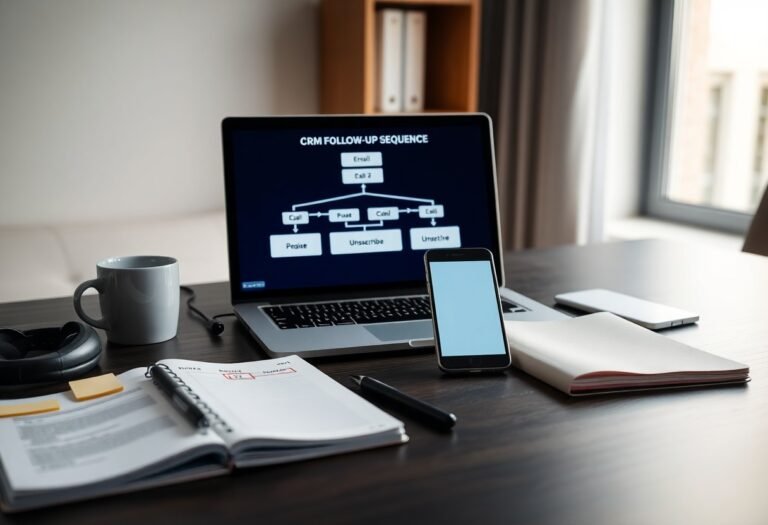
There’s a smart way to design CRM follow-up sequences that respect contacts: set clear timing, personalize messages, limit frequency, offer opt-outs, and track responses so you refine outreach based on behavior.
Key Takeaways:
- Segment contacts and personalize messages based on behavior, source, and stage to keep follow-ups relevant.
- Set a clear, limited cadence with defined maximum attempts and spacing to avoid annoying recipients.
- Ensure each message delivers specific value or context, such as helpful info, clear next steps, or a reason to reply.
- Make preferences and unsubscribe options obvious and honor channel and timing choices to respect recipients.
- Use A/B testing and analytics to measure opens and replies, then refine timing, content, and targeting.
Defining the Psychology of Non-Intrusive Persistence
A strategic mix of timing, relevance, and respect keeps your follow-ups persistent without feeling pushy; you watch signals, adjust cadence, and prioritize usefulness so contacts stay engaged rather than irritated.
Understanding the Threshold of Communication Fatigue
Persistence that respects frequency and recipient signals lets you pull back when interest wanes and step forward when value aligns, so you maintain contact without triggering fatigue.
Establishing a Value-First Engagement Mindset
Establishing a value-first engagement mindset means you open with useful insight, offer clear benefits, and save sales attempts for later, keeping each message helpful and permission-driven.
Even when you automate sequences, you tailor content to behavior, split-test subject lines and timing, and set polite opt-down options so recipients feel in control and your follow-ups remain welcome.
Using CRM Data for Granular Segmentation
It lets you segment contacts by behavior, demographics, deal stage, and value so you send relevant, timely follow-ups that feel personal instead of generic, reducing unsubscribe rates while improving conversion.
Categorizing Leads by Behavioral Interaction History
Leads who open multiple emails and visit product pages show higher intent, so you prioritize prompt, value-focused outreach; leads with low activity receive slower, educational touches, and you tag interactions to trigger the right sequences.
Aligning Follow-Up Frequency with Buyer Intent
Above, match cadence to actions: high-intent prospects get compact sequences and direct asks, while early-stage contacts receive spaced educational messages so you stay helpful without annoying them.
Considering signals like page visits, demo requests, and email engagement, you set rules that accelerate or pause sequences, A/B test cadences, and allow manual overrides so teams respond in-context and reduce irritation.
Advanced Personalization Strategies
Despite common templates, you can use real-time signals to craft follow-ups that feel personal, respectful and timely.
- Trigger on behavior
- Reference past conversations
- Offer clear next steps
Personalization Signals
| Behavior | Trigger message after action |
| Purchase history | Suggest related products |
| Engagement level | Adjust message frequency |
Moving Beyond Basic Name Tags to Contextual Relevance
Across your sequence, pull action, timing, and content cues so each message reflects context and avoids generic feel.
Mapping Content to Specific Customer Pain Points
Above, map each message to a verified customer pain so you present targeted solutions and reduce irrelevant outreach.
With persona details, behavior data, and feedback loops, you should assign content paths to precise pains, A/B test responses, and prune messages that fail to drive engagement.
Mastering Cadence and Multi-Channel Timing
Unlike blasting every lead, you set rhythms that respect attention spans: mix timely nudges, use silence after interaction, and use 3Fs: Follow up Faster with Forms | LACRM Blog to shorten response lag while keeping touchpoints useful.
Establishing Data-Driven Intervals for Touchpoints
One tactic is to test intervals by response rates and adjust sequences so you contact prospects when they’re most receptive, using analytics to shorten or widen gaps based on behavior.
Balancing Email, SMS, and Social Media Outreach
Against sending all channels at once, you prioritize channels by preference, severity, and consent, scheduling low-frequency email, quick SMS, and targeted social posts to avoid overload.
Outreach timing should respect opt-in and past engagement; you set rules to pause after declines, escalate after clicks, and vary message length across platforms to stay helpful rather than intrusive.
Crafting Value-Centric Messaging
For each message you send, highlight a specific customer benefit, offer a short practical tip, and match tone to the recipient’s stage so your follow-ups feel helpful instead of interruptive.
Delivering Actionable Insights versus Generic Sales Pitches
Before you draft follow-ups, analyze prior interactions and include one concrete insight or data point that helps their decision; avoid generic phrases and obvious product pushes.
Implementing Low-Pressure Call-to-Actions
Delivering soft CTAs lets you invite engagement without forcing a response: suggest a short demo, offer a useful resource, or ask a low-commitment question to keep the conversation open.
With low-pressure CTAs, use clear timing and optional next steps, phrase requests as choices, limit frequency to one per sequence step, and track which invites get clicks so you refine what prompts real interest.
Analyzing Sentiment and Sequence Optimization
Once again you should monitor sentiment from replies and survey scores to adjust timing, tone, and frequency, ensuring sequences respect preferences and reduce friction while improving conversions.
Interpreting Engagement Metrics and Unsubscribe Trends
Interpreting open rates, click patterns, reply tone, and unsubscribe trends helps you identify content fatigue and optimal send windows so you can prune sequences and resegment contacts to lower opt-outs.
Continuous A/B Testing for Maximum Deliverability
Before you scale, run A/B tests on subject lines, send times, and content snippets to detect deliverability issues and spam triggers, then apply winning variants per segment.
Further you should track seed inboxes, deliverability dashboards, and ISP feedback loops to spot deliverability drift, pause problematic variants, and refine authentication and frequency for each domain.
Conclusion
From above you build respectful CRM follow-up sequences by segmenting contacts, setting clear expectations, spacing messages logically, personalizing content, offering easy opt-outs, and tracking responses to refine cadence so your outreach feels helpful not pushy.
FAQ
Q: How often should follow-up messages be sent to avoid annoying recipients?
A: Set cadence based on the recipient’s stage and behavior. New leads typically tolerate 3 to 5 touches in the first two weeks: a welcome, a follow-up, a value reminder, and a gentle nudge. Use longer gaps after low engagement and tighter spacing for active prospects. Offer a preference center where contacts can choose frequency and channels. Cap sequences for cold prospects at 6-8 touches over 90 days and stop when a prospect converts or opts out.
Q: How can you personalize follow-ups without coming across as creepy?
A: Personalize using first name, company, and the action that triggered the sequence. Pull only non-sensitive data and avoid references that feel intrusive. Reference recent behavior like page viewed, demo requested, or download, and explain how the message ties to that action. Use a real sender name and a conversational tone so messages read like one human to another.
Q: What should messages look like so they feel helpful instead of pushy?
A: Write short subject lines that state the benefit or the reason for contact. Keep body copy scannable with one clear call to action per message. Lead with value: offer a tip, a resource, or a next step instead of pushing a hard sell. Include an unsubscribe link and a link to set contact preferences. Test subject lines and preheaders for open rate improvements.
Q: Which triggers and segmentation strategies reduce irrelevant follow-ups?
A: Trigger messages from specific actions: form submits, page visits, trial activity, or score thresholds. Segment contacts by intent, role, and past engagement to match message relevance. Pause automated sends when a contact replies or requests a demo, and add tags for manual follow-up when needed. Run a re-engagement sequence for inactive contacts before deleting them from active lists.
Q: How do you measure and iterate on sequences to lower annoyance?
A: Track opens, clicks, replies, unsubscribes, spam complaints, and conversion events to judge sequence health. Remove or reduce cadence for groups with rising unsubscribes or low click rates. A/B test timing, subject lines, and message length, and use cohort analysis to spot which approaches annoy people. Monitor deliverability metrics and authenticate sending domains with SPF and DKIM. Survey a sample of contacts to collect qualitative feedback.